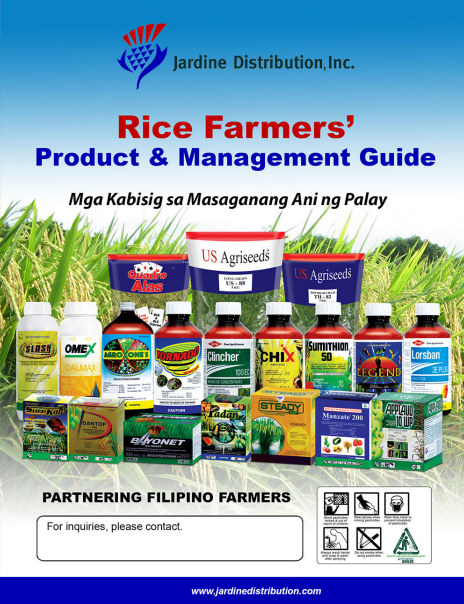


Rice
Advanced seeds and farm care inputs to secure higher yields and healthier rice harvests.
SOLUTIONS
Insects
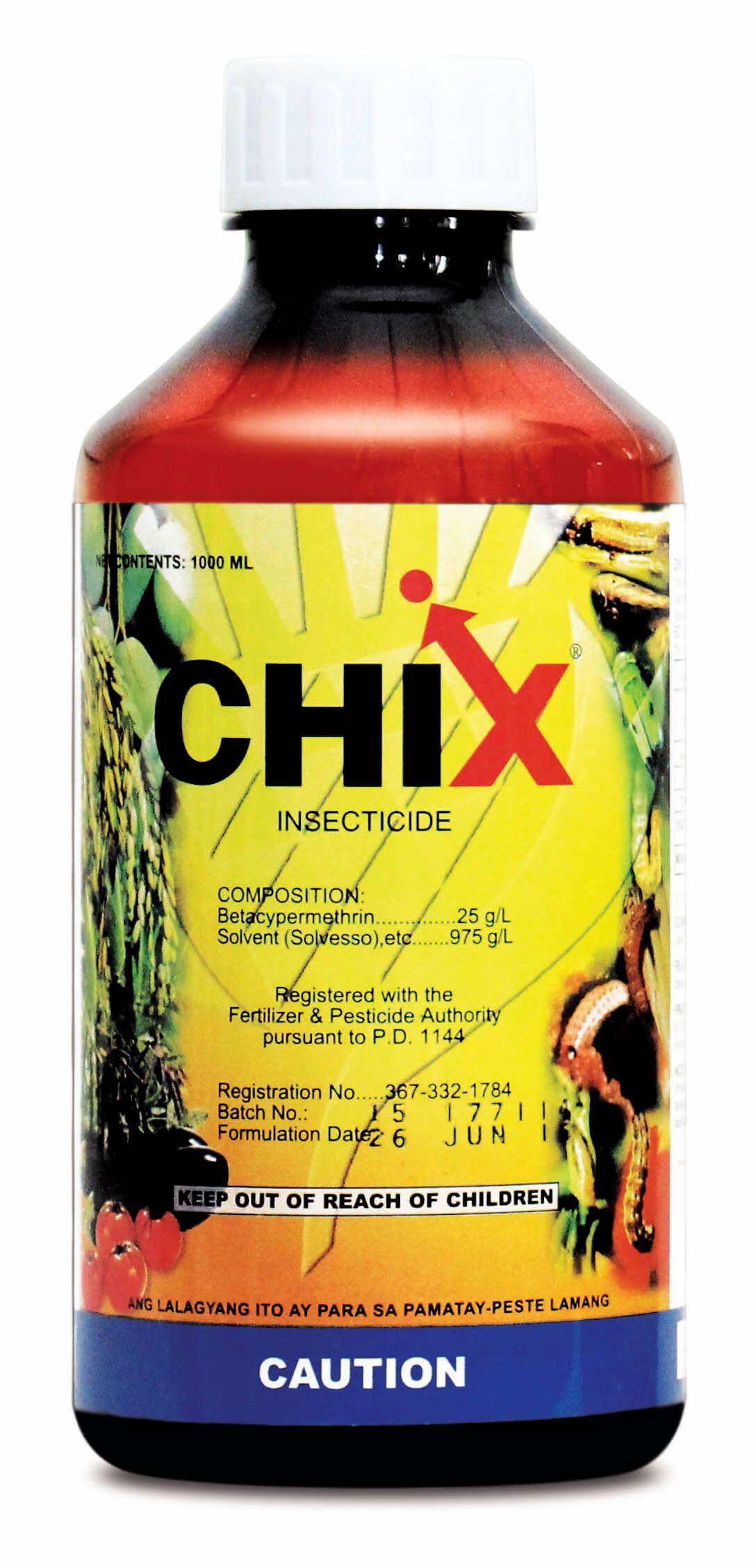
Chix Insecticide
Broadspectrum Insecticide for Rice
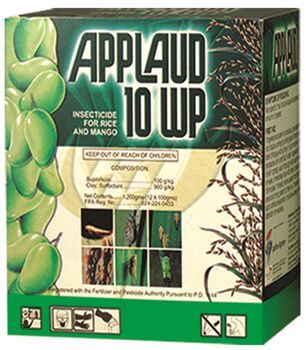
Applaud 10 WP Insecticide
For Heavy Greenleaf hopper Infestation in Rice
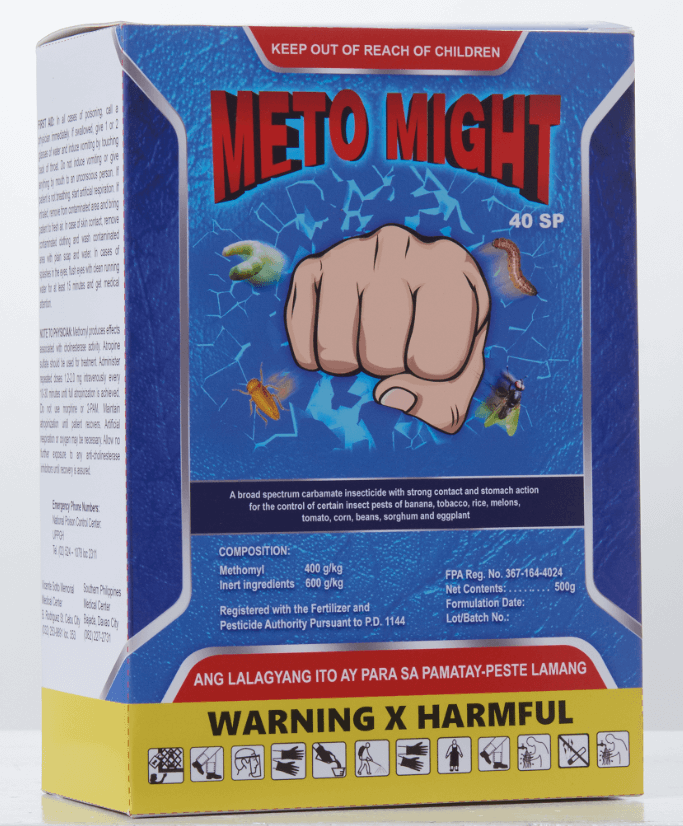
MetoMight Insecticide
Broad spectrum carbamate insecticide
Padan Insecticide
Systemic insecticide
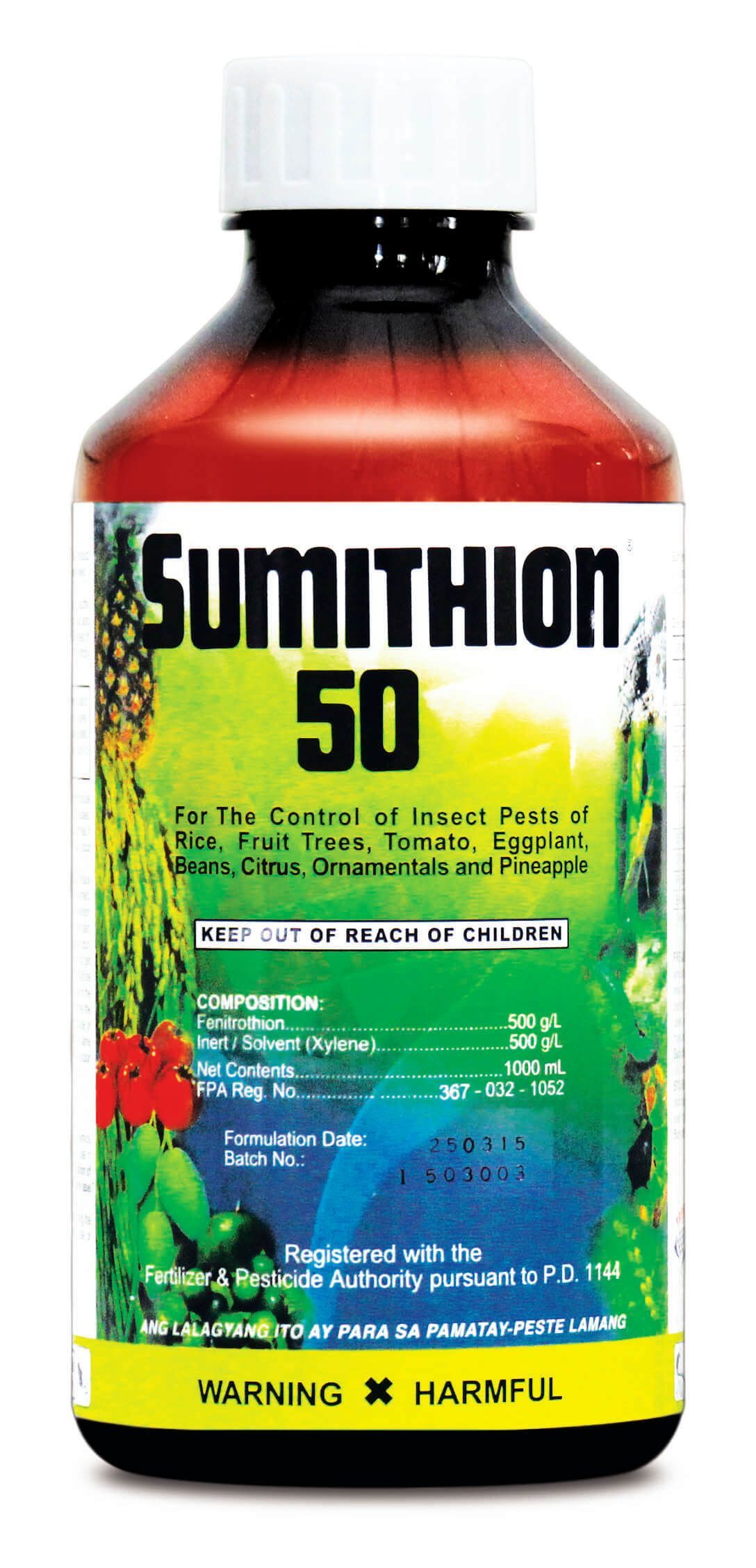
Sumithion Insecticide
For Heavy Rice Bug Infestation in Rice
Legend Insecticide
Synthetic pyrethroid
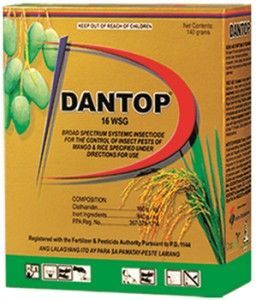
Dantop Insecticide
Systemic new generation insecticide
Can I mix Chix with Padan?
For broader control of both sucking and chewing pests, you can tank mix Chix and Padan.
For one hectare, you can use only 250ml of Chix with 100 grams of Padan. In a 16-liter sprayer, you can mix around 16ml to 32ml of Chix and 10 grams to 30grams of Padan.
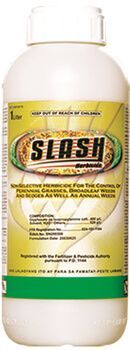
Can I use Slash herbicide on my rice plant?
No. Slash is a non-selective herbicide that will harm the rice plant. Slash however can be used for clearing in the field for clearing before the rice plant is seeded or planted.
Do I have to control insect pests at the seedbed?
Yes. It is very important to control insect pests at the onset of the planting season or as soon as the seedbed is prepared.
Most insect pests, especially sucking insects, usually thrive on alternative hosts such as grasses and other plants during the off-season. As soon as vegetation on our rice fields begin, it becomes susceptible to these insect pests.
Most sucking insects, such as the green leafhopper and other planthoppers, do not only damage by sucking but are vectors of diseases such as Tungro and stunting. It is therefore important to protect the rice plant as soon as it is sown on the seedbed.
How is tungro transmitted and how can it be controlled?
The rice tungro virus is transmitted by a vector called Green Leafhopper (GLH) that acquires the virus from an infected plant and can transmit the virus to healthy plants instantly. GLH can be infective for up to 5 days but symptoms of infection on the rice plant only appear after 7 days. A quick knockdown action insecticide is needed to prevent the spread of the virus by controlling GLH.
What are stemborers and how to control them?
Stemborer is one of the more difficult pests to control because of its habit of boring inside the stems of rice. They cause significant damage by reducing tiller number and yield even on resistant varieties. Life cycle of stemborer is 40-60 days.
Adults are active at night and are strong flyers to as far as 2 kms. A female can lay 200-300 eggs in 4 days, after which it dies. Eggs can be found in the upper and lower surface of the leaves and in the leaf sheath. In 4-9 days, the eggs will hatch.
Newly hatched larva are not yet capable of boring inside the stem. They often suspend themselves from the leaves by a silken thread and are blown to other plants. Others make a tube from cut leaves, fall on the water and swim or drift to nearby plants. 7-10 days after hatching, the larva will penetrate the leaf sheath and feed between the sheath and the tiller for several days before entering the stem.
Mature larva bore inside and feed on the inner surface of the stem walls interrupting the movement of water and nutrients. Tunneling of the larva weakens the stems which break easily.
Pupation occurs inside the stem. Adults emerge one week after pupation. Damage during the vegetative stage causes the central leaves of the tiller to turn brown, that’s why it is called “deadheart”. If the damage occurs after the spikelets are formed, panicles turn white and no grain filling occurs. The damaged panicles are called “whiteheads.”
To control stemborers, a reliable systemic insecticide is needed such as Padan 50 SP that can penetrate inside the plant tissues to control stemborers even if they are inside the stem. It controls adult stemborers, larvae and even eggs. It has residual activity that can last up to 8 days. Spray 2 rounds at 20-30 days after transplanting and 40-50 days after transplanting.
What product can I use to protect the seedbed from insect pests?
As the sucking insect pest specialist, Dantop 16 WSG is the recommended insecticide to be sprayed on the seedbed. As a new generation systemic insecticide, Dantop has long persistent action that is needed to effectively control sucking pests at the seedbed. Dantop also has strong contact action that kills sucking insects rapidly. This prevents virus transmission of sucking insects.
What quick knockdown product can I use?
Chix 2.5 EC is the Xtra Bilis, Xtra Galing insecticide we recommend to control GLH and other insect pests in Rice and other crops. Aside from its Betakill action formula for quick knockdown, Chxi has two isomers for lesser chance of insects developing resistance. Chix is a proven and tested high-quality broad-spectrum insecticide that is cost effective as 1 liter can cover 1 hectare.
Weeds
- Barnyard Grass
- Clearing
- Clover Fern, Dwarf Water Clover
- Red Spangletop
- Goose Weed
- Fimbristylis
- Rice Flatsedge, Umbrella Sedge
- Trigo
- Jungle Rice
- Pickerel Weed
- Purple Nut Sedge
- Water Purslane
- Small Flower Umbrella Plant
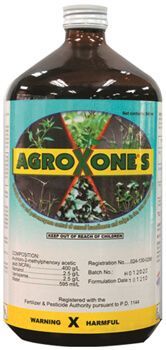
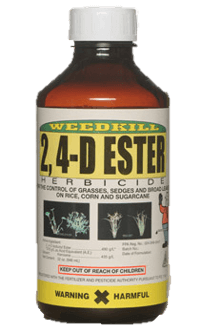
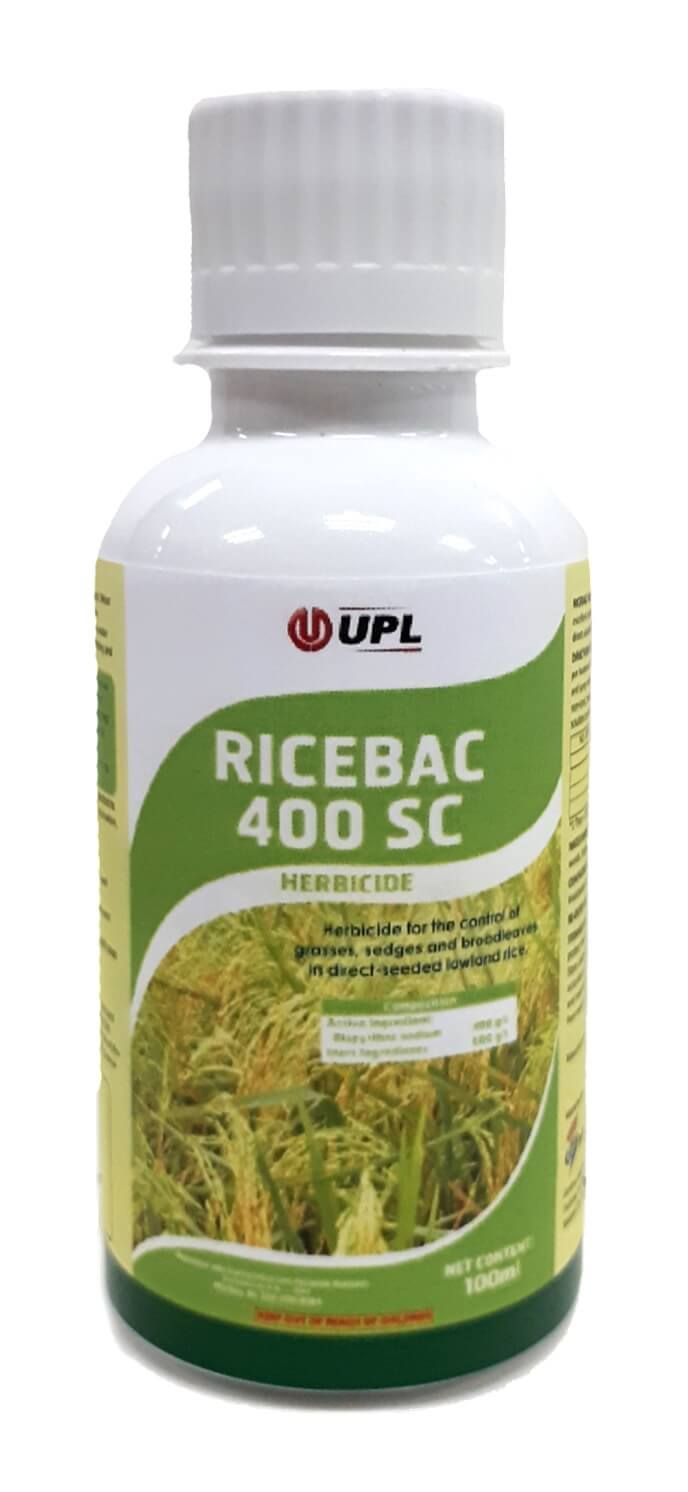
Why is it important to control weeds?
Weed control is important as these compete with the rice plant for nutrients in the soil and sunlight. It is critical to control weeds from 1 – 30 days after planting and cultural methods may be employed such as flooding and manual weeding, When it becomes difficult to control weeds using these methods, we recommend the use of selective herbicides that can substantially reduce the labor requirement and provides control early in the season.
What can be used to control weeds at an early post-emergent stage?
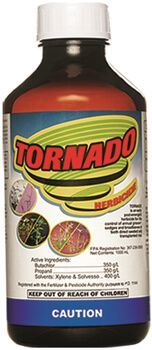
We recommend Tornado herbicide for the control of annual grasses, sedges and broadleaves. At the right dosage, timing and water management, follow-up application is eliminated.
Fungal Diseases
- False Smut
- Neck Rot
- Leaf Spot
- Rice Blast
- Sheath Blight
Is it important to control fungal diseases?
Yes. As fungal diseases in Rice can reduce yield dramatically. Among the common diseases are rice blast or neck rot, leaf spots, sheath blight and false smut.
How do fungal diseases infect the rice plant?
As fungi, these are plants that cannot manufacture their own food so they depend on other living things to survive and three factors must be present for a fungal disease to infect the plant, susceptible host, inoculums or conidia of the fungi and environment favorable to the growth of fungi. Excessive fertilizer use can weaken the plant stem making it more susceptible to disease infection. Spores can be easily spread through the air, irrigation water, or splashes of rain drops and can thrive on the rice plant to germinate and develop lesions. As it matures, it produces more spores that spread to infect other plants.
What control measure can you recommend for fungal diseases?
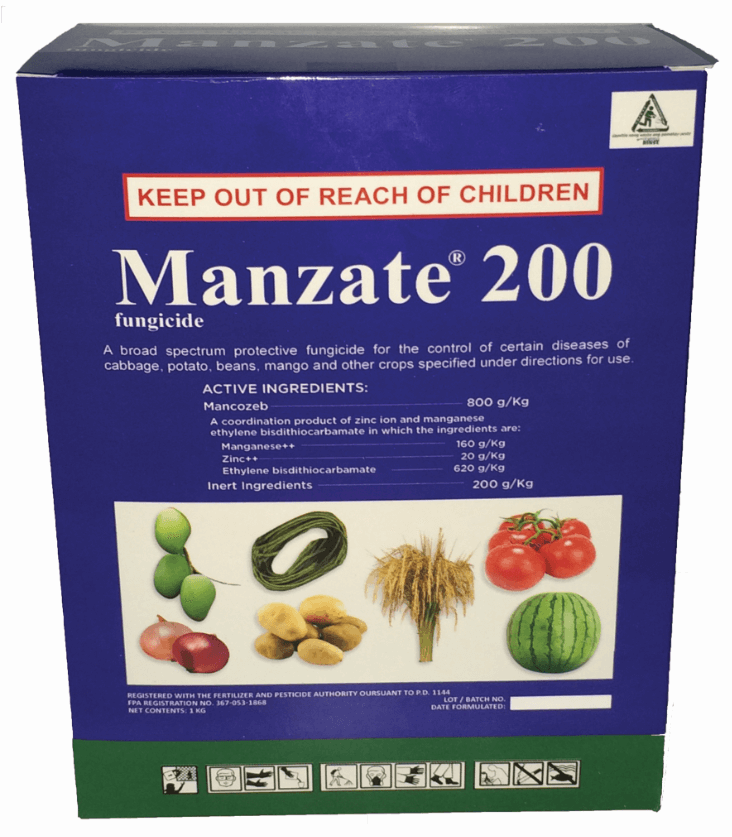
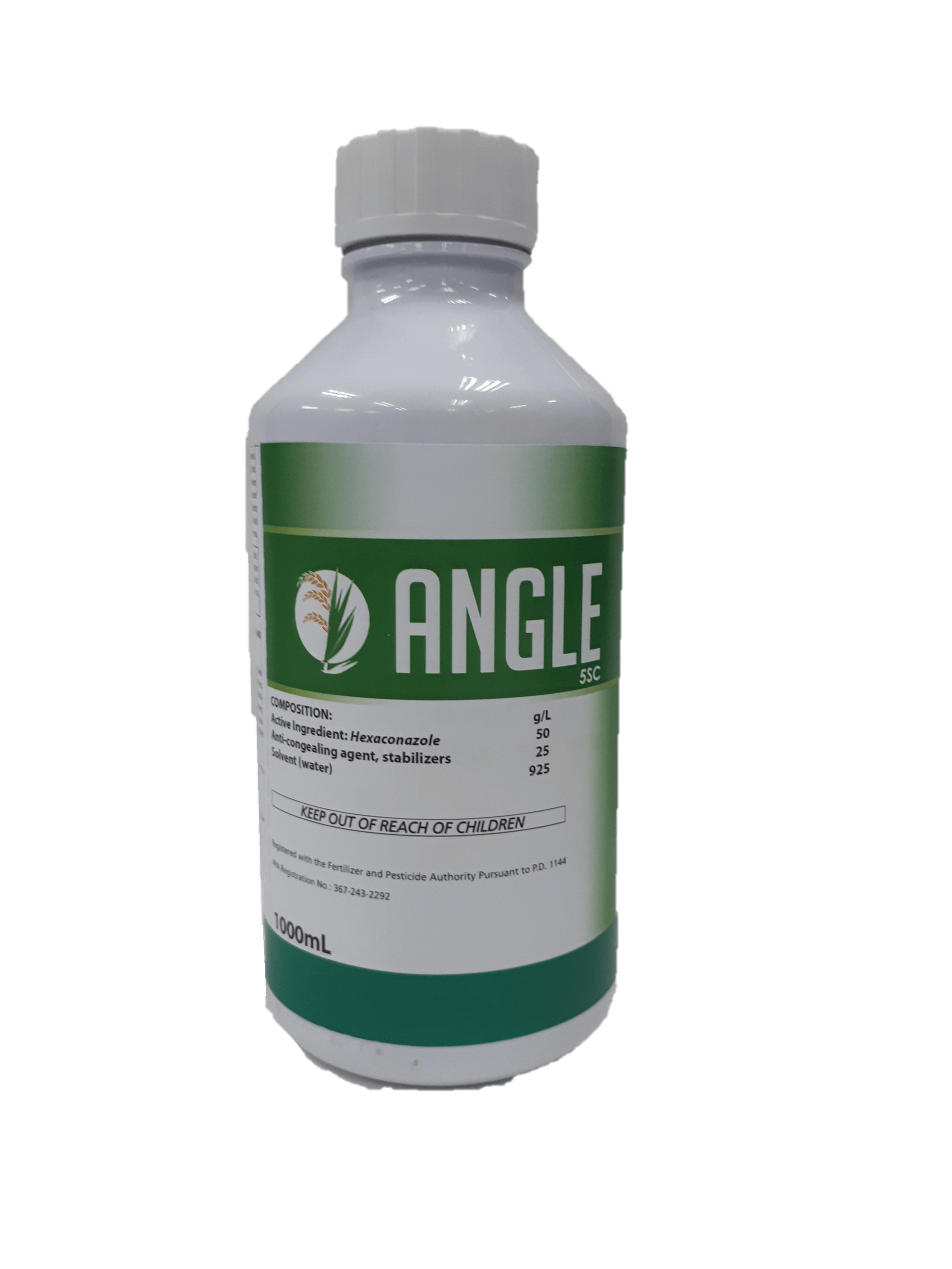
To control fungal diseases, reliable fungicides can be used such as Manzate 200 WP, a contact fungicide that has different modes of action on fungi.
When do I apply Manzate 200 WP?
As fungal diseases like Rice Blast may occur at any stage, it is recommended to protect the rice plant early at around 15-20 days after transplanting to prevent leaf spots or leaf blast and at around 55-60 days to prevent neck rot.
How much yield can be lost due to insect pests and diseases?
As much as 100% damage can result from insect pest infestation. To develop a good control strategy, it is important to know the life cycle, characteristics and damage caused by these pests.
How is Manzate 200 WP different from other contact fungicides?
Manzate 200 WP has the quality backed by one of the world’s largest manufacturer, UPL. It is assured to have high purity, less moisture and excellent suspensibility and solubility to ensure that quality product is evenly present in every spray.
Snails
- Golden Snails
How can I control snail infestations?
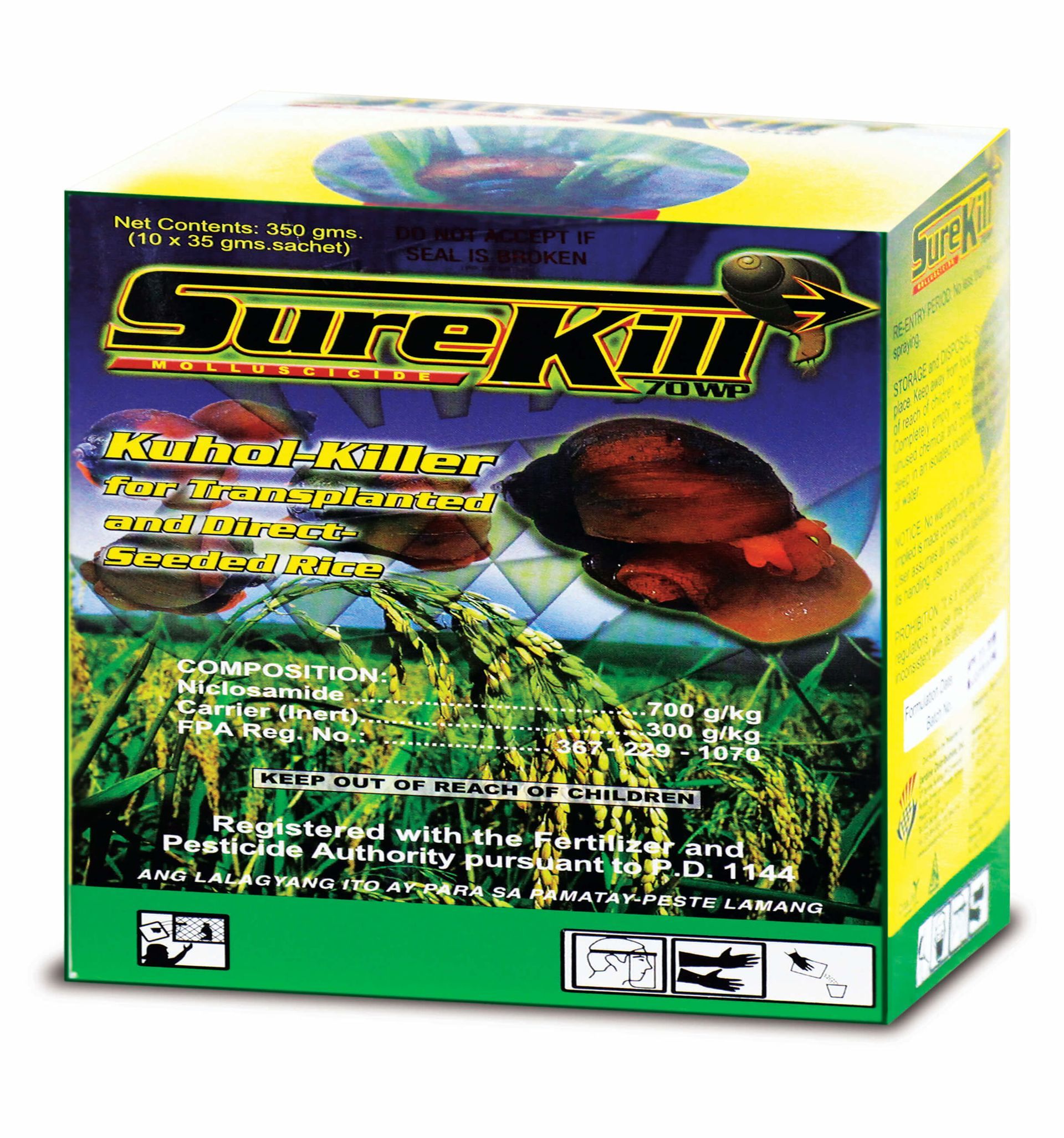
Many cultural practices can be employed to control golden apple snails such as water management, hand-picking, and use of screens and ducks among others. But if the level of snail population endangers your harvest we recommend the use of molluscicides such as Surekill 70WP. Surekill contains niclosamide with high purity of 98% making it effective even if water level is deep.
How do I irrigate the field?
For transplanting, it is best to irrigate the field 3 days after transplanting. For direct-seeding, irrigate at 5 to 7 days after seeding. Maintain water level at 2 – 3 cm and increase water level to 3 – 5 cm at maximum tillering to flowering stage.
Is there an option for spot application of molluscicide?
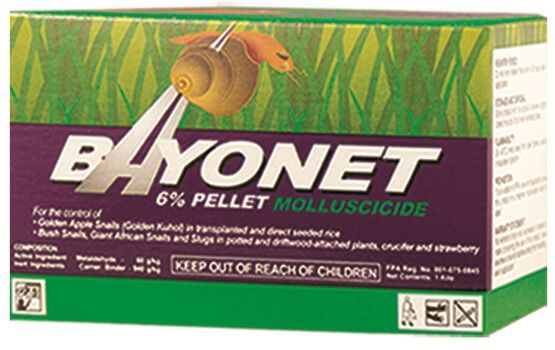
Bayonet 6% metal dehyde pellets are available. It has the finest pellet size for wider coverage to control small or big snails.
Seeds
- Good Pest Resistance and Early Maturing
- High Yield
- Long Grain
Are US Agriseeds varieties adaptable to Philippine conditions?
Yes, these are bred in India, a tropical country just like the Philippines.
Is TH-82 imported?
Yes, it is imported from SeedWorks of India.
Are these hybrid seeds treated?
Yes, these are treated with insecticides and fungicides to ensure higher germination rates and good performance.
Are there other hybrid varieties available from JDI other than TH-82?
Yes. Known for its long grain and excellent eating qualities, US Agriseeds is available. A new variety, US Agriseeds Quadro Alas is also available and performs well in most rice locations in the country.
Can TH-82 be seeded directly?
We have had monitored successful stories of farmers using TH-82 by direct-seeding. Significant yield increase is achieved although more seeds are needed. Farmers usually use 7 to 8 3kg bags of TH-82 for direct seeding while only 5 3kg bags is recommended for transplanted rice.
Do I have to switch varieties every season?
Yes, we suggest to change varieties every season to avoid the breakdown of varietal resistance to pests and diseases. Constant planting of one variety may make it susceptible to pests and diseases later.
How long do we have to soak TH-82 before planting?
Soak TH-82 for 24 hours and incubate for 24 to 36 hours.
How is the seedbed prepared for TH-82?
Prepare 20 square meters of seedbed for every kilo of TH-82 seeds used. For one hectare, use 15 kg of TH-82 seeds in a 300 square meter seedbed.
What is the best rice variety to plant?
The variety to be used depends on several factors. We suggest that you find out first the prevailing pests and diseases in your area and select a variety resistant to those. For example, if “tungro” is prevalent in the area, then plant a tungro-resistant variety. The list of approved varieties and characteristics are available at the Department of Agriculture. You may use certified seeds from accredited seed growers to ensure high yield. Hybrid rice is also recommended as these can potentially increase yield for a slight increase in production cost.
What is the difference of hybrid rice from conventional varieties?
Usually, inbred or conventional varieites have desirable qualities but also have weaknesses. In hybrid rice, these desirable qualities and be put together in a single variety that has a higher potential yield and resistance to pest and diseases.
What is US Agriseeds TH-82?
US Agriseeds TH-82 is the hybrid rice variety offered by Jardine Distribution, Inc. to its partner farmers to help them increase their chance of harvesting more than conventional rice varieties. TH-82 is a rice variety known for its sturdiness, thus making it resistant to lodging. TH-82 is a high-tillering variety and recorded as much as 50 to 60 tillers in one hill. Aside from the potential high yield, TH-82 also has a high milling recovery of Grade I at 67%, has few broken grains and good eating qualities.
Why is it called US Agriseeds if it comes from India?
The brand US Agriseeds originated from the US and used for high quality seeds of different crops around the world, including India.
What spacing is used when transplanting TH-82?
At around 20 days or 5-6 leaf stage of the rice plant, we recommend transplanting with spacing of 20cm x 20 cm, either in the Wet or Dry cropping season. Plant one seed per hill without splitting the seedlings.
Soil & Nutrition
- Unfilled Grains
- Uniform Flowering and Increase Grains per Panicle
Aside from inorganic fertilizers, do I need other sources of nutrients?
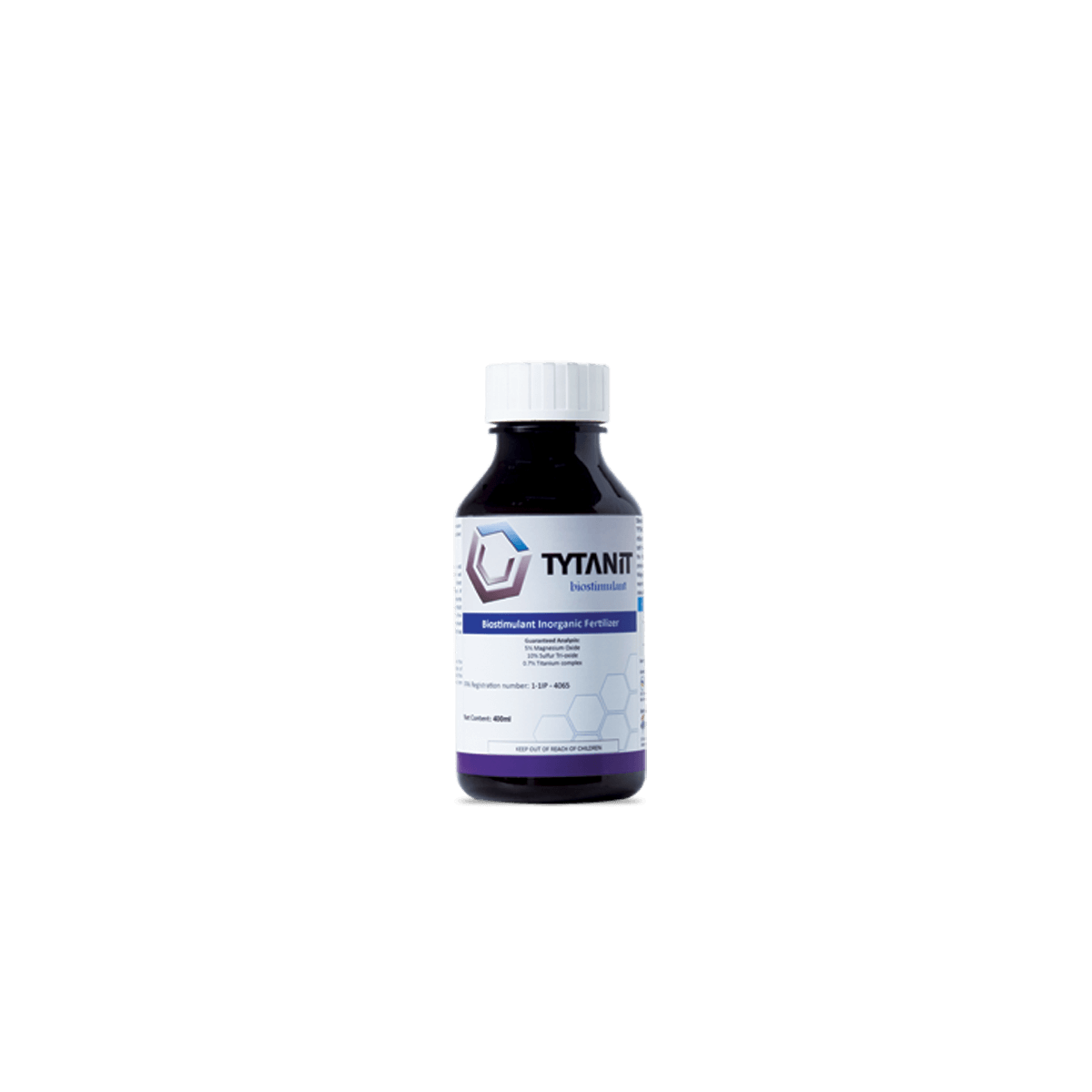
Balanced plant nutrition greatly helps plant growth and development. While inorganic fertilizers provide the macro nutrients, other nutrients can be supplied to fulfill deficiencies in different stages of plant growth. Nutrition through the leaves can effectively provide these nutrients to plant parts.
Is there an overdose of fertilizers?
Excessive use of fertilizers such as Nitrogen, can weaken the rice stem that increases the chance of lodging.
What product can I use to prevent Calcium deficiency?
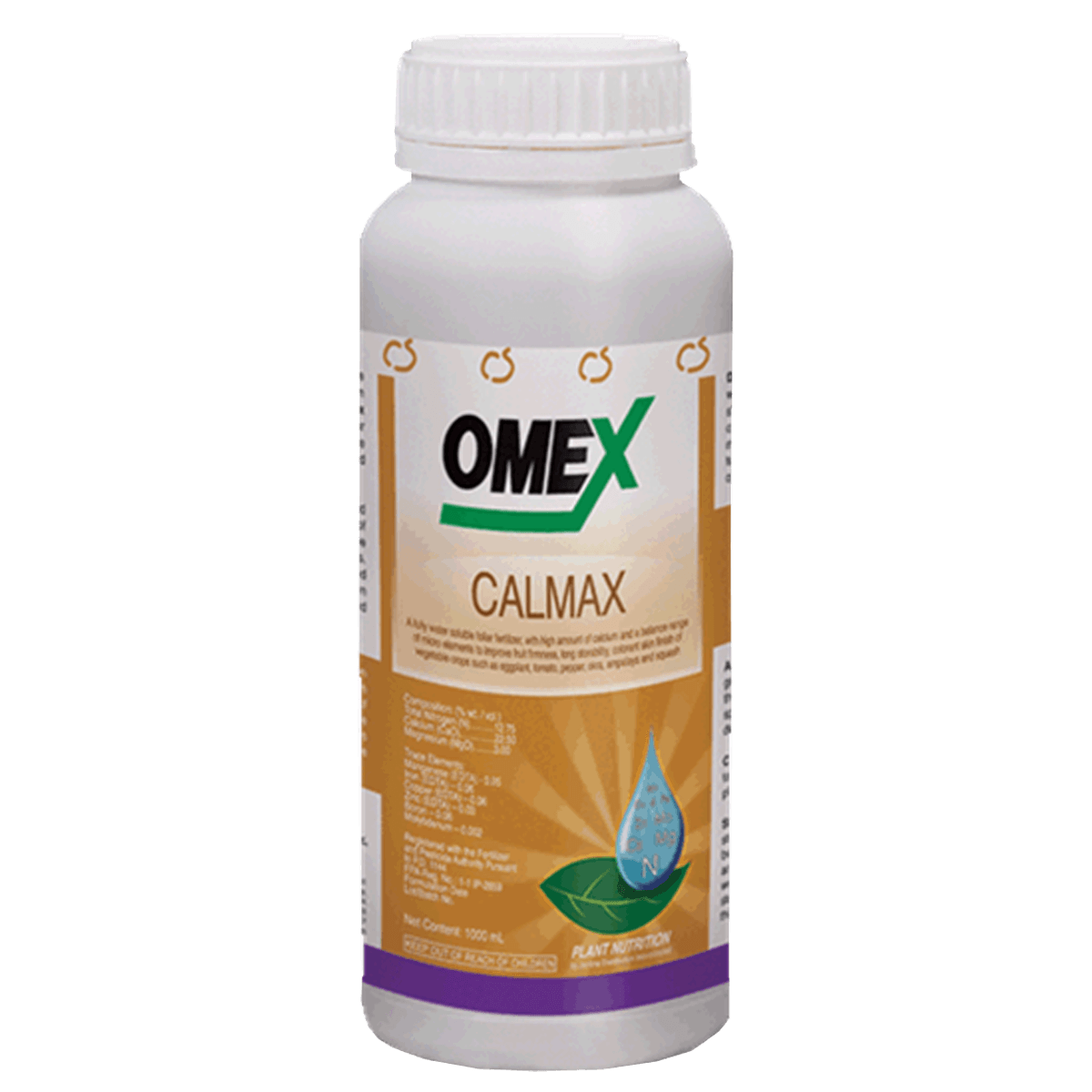
For better grain-filling, we recommend Omex Calmax, a high calcium content (22.5%) plant nutrition product that will increase the rate of plant processes in the plant. Naturally, calcium is an immobile element that cannot move from one plant part to another. Omex Calmax has a special additive that makes calcium move faster and distributed in all part plants including the grains. We recommend using Calmax at 50-60 days after planting. Two application of Calmax have shown further increase in yield – 1st application at 30-40 days and 2nd application at 50-60 days after transplanting.
What is the right application of fertilizer?
Having a soil analysis will give you the best guidance in determining the right amount of nutrient needed by the plant in your farm. PhilRice recommends split application of fertilizer. In the Wet Season, apply twice – basal application incorporated at the final leveling of the field and top dressing at 5 – 7 days before panicle initiation. During the Dry Season, Top dressing can be done during the rice heading stage.
What is calcium deficiency?
Calcium is also an important nutrient for plants. While present in the soil, Calcium becomes unavailable due to continuous planting and crop removal and with calcium deficiency, the plants growth may be retarded. Calcium helps in transporting nutrients and improve grain filling.
Crop Guide
Download the Crop Guide to aid on your growth and protection needs.